Garden Services in Plumstead

Garden services in Plumstead can cover routine upkeep, one-off tidy work and more considered changes to outdoor space, all shaped around the condition of the garden and the outcome you want. We provide practical help with lawns, hedges, overgrowth, planting areas and general garden improvement, keeping the work focused on what will make the space easier to use and simpler to look after. If you need a straightforward plan for gardening services in Plumstead, the right starting point is usually a clear view of the areas that need attention and the finish you want.
Some gardens need regular attention, while others only need a reset after a period of neglect or a major change in layout. Our service can be built around seasonal maintenance, clearance, or a combination of both, so the work matches the site rather than forcing it into a fixed pattern. If you are comparing options, take a moment to think about what must be done now and what can be left until later; that often makes the scope much clearer. For a quotation, you can simply send the key details and ask for the most suitable service approach.
Start with the main jobs first. If the garden is becoming hard to manage, it is often best to deal with the largest tasks before adding finer detail. That may mean cutting back dense growth, lifting heavy debris, restoring access to paths or beds, and then moving on to routine maintenance. A sensible plan keeps the work efficient and helps you decide whether you need a single visit or a longer-term arrangement. Clear priorities usually lead to clearer quotations, because the work can be described in practical terms.
Garden maintenance for ongoing care
Regular garden maintenance is designed to keep outdoor areas tidy, manageable and visually balanced without waiting for things to become overgrown. It can include lawn care, hedge trimming, bed tidying, light pruning and removal of leaves or cuttings, depending on what the site needs. For many customers, the value lies in consistency: the garden stays in good shape, and small issues are handled before they develop into larger jobs. That makes the service useful for front gardens, rear gardens and shared outdoor spaces alike.
We can tailor maintenance work to the pace of the garden and the way you want it used. Some spaces benefit from frequent low-intensity care, while others are better suited to less frequent visits with more thorough attention each time. If you are asking for a quotation, it helps to mention whether the garden is already in good order or whether it needs a fuller recovery. That difference often affects how the work is planned, even when the overall service remains the same.
Typical maintenance tasks
Useful maintenance usually follows a sensible sequence: cut or shape the larger growth, clear what has been removed, and then finish the visible surfaces so the garden looks intentional rather than simply tidied. Depending on the season and condition of the site, the work can cover lawns, hedges, borders, shrubs and light clearance of routine garden waste. A short list helps when you request help:
- lawn cutting and edge tidying
- hedge trimming and shaping
- removal of leaves, clippings and light debris
- basic bed and border tidying
- general visual reset of the garden
Clearance work for neglected or overgrown areas

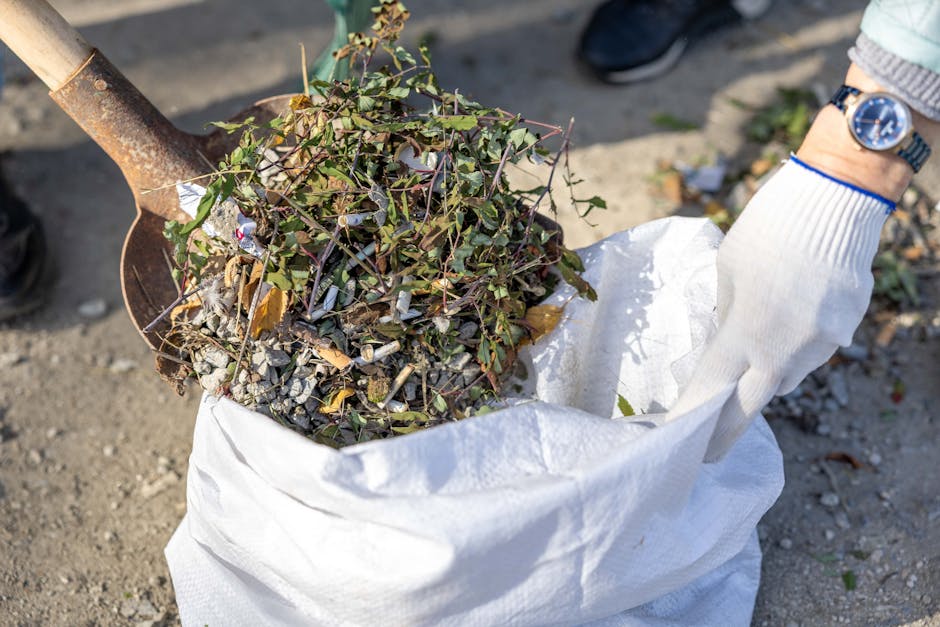
Garden clearance is the right choice where growth has become dense, access is blocked or the space has built up more material than a normal tidy can handle. It may involve removing brambles, thick weeds, tangled cuttings, fallen branches and other accumulated green waste so the garden can be used and maintained again. This kind of work is often the bridge between a difficult site and a space that can return to regular care. It is usually more effective when the main problem areas are identified at the outset.
Clearance can be partial or comprehensive. Some customers only need a specific section opened up, such as a path, boundary line or planting area, while others want the whole garden taken back to a workable state. Because the exact scope varies so much, quotations are usually clearer when the main obstacles are described plainly. If useful, you can say whether access is limited, whether the growth is light or heavy, and whether the aim is simply removal or a fuller tidy afterwards. Use the contact option to ask for a quote when you are ready.
Good clearance is not just about removing material. It is also about leaving the space in a condition that makes the next stage easier, whether that means maintenance, replanting or a wider garden project. A well-managed clearance should reduce clutter, expose the usable parts of the garden and leave a clearer structure behind. When the job is planned carefully, it can save time later and help avoid repeat work in the same areas.
Lawn mowing and edging
Lawn mowing remains one of the simplest ways to keep a garden looking cared for, but a decent result depends on more than a quick cut. The surface should be even, the edges should be neat, and clippings should be managed so they do not spoil the finish. Where needed, the work can also include trimming awkward margins, managing access around beds or paths, and bringing the lawn into line with the rest of the garden. Consistent mowing is often what ties the whole outdoor space together.
We can handle lawns that need routine cutting as well as grass that has been left too long and needs a more careful first pass before it can settle into a regular schedule. The best approach depends on the grass length, the size of the area and whether the lawn sits alongside borders, shrubs or other obstacles. If the lawn is part of a broader tidy, it can be sensible to combine mowing with trimming or light clearance so the whole area looks balanced rather than half-finished. For a quotation, describe the lawn size and general condition.
What affects the mowing approach
Several practical details influence how lawn work is carried out, especially when the garden is not a simple open rectangle. Slopes, uneven ground, narrow access and edging all affect how long the job takes and how much finishing is needed. If you have a lawn with mixed conditions, this sort of detail is useful because it helps set realistic expectations before work begins. The aim is always a cleaner, safer, more uniform result that fits the garden rather than one that looks rushed.
Hedge trimming and shaping

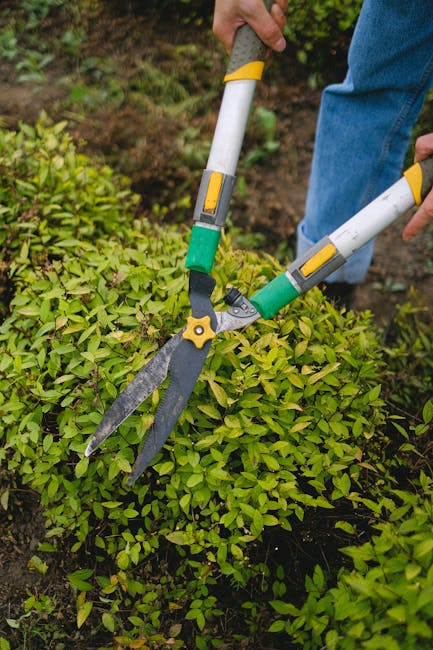
Hedge trimming is an important part of keeping a garden structured, especially where boundaries, privacy screens or front garden lines need to stay neat. Proper trimming does more than shorten growth: it improves shape, keeps hedges within bounds and stops them from swallowing paths, drives or planting areas. Depending on the hedge type and condition, the work may be a light tidy, a fuller reshape or a maintenance cut designed to keep growth controlled between visits.
Some hedges benefit from attention to both height and width, while others only need the outer face brought back into line. We can work with the practical shape of the plant and the look you want the garden to keep. If the hedge has become wide or uneven, it may take more than a simple cut to restore a neat outline, so quoting is clearer when the dimensions and condition are described. Where hedge waste is created, it can be removed as part of the job so the area is left tidy.
When trimming is planned with the rest of the garden in mind, the results usually look more balanced. A hedge that is kept tidy can make a driveway, lawn or boundary feel much more orderly. It also helps to prevent the gradual creep of overgrowth into other parts of the garden. If you want hedge work combined with other maintenance, it is sensible to mention that from the outset so the tasks can be grouped effectively.
Landscape gardening and garden improvement
Landscape gardening covers work that changes the layout, structure or overall function of a garden rather than simply maintaining what is already there. That can include reshaping spaces, improving borders, creating clearer divisions between areas or carrying out practical improvements that make the garden more usable. The details depend on the site, but the focus is always on giving the outdoor space a stronger structure and a better fit for everyday use.
For some properties, the best improvements are modest and practical, such as reducing awkward edges, opening up a space or helping an area feel more coherent. For others, the work may involve a broader plan that brings several features together. Because landscape work can vary so much, the quotation stage is important: it helps to know which parts are staying, which are changing and how much preparation is needed. If you are unsure where to start, a simple description of the current layout is usually enough to begin the discussion.
Useful improvements are often built in stages. A garden does not always need everything changing at once. Sometimes a well-judged sequence of work gives a better result, especially if the budget or timing needs to stay controlled. That might mean clearing first, then dealing with lawns or hedges, and only then moving on to wider reshaping. This keeps the project manageable and makes it easier to see progress as each part is completed.
About Plumstead

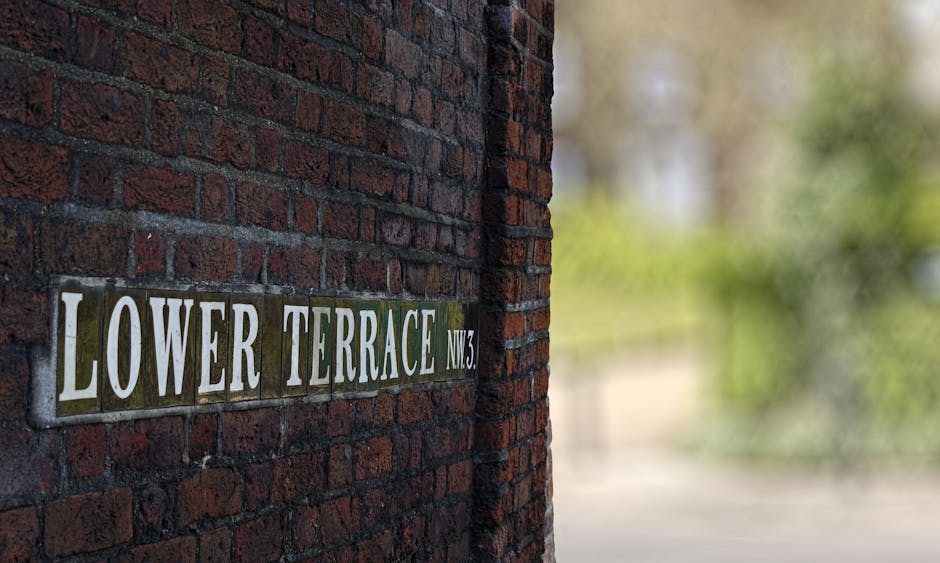
Plumstead is a district in south-east London with a long history shaped by its position on the Thames-side edge of the capital and its links to nearby Woolwich and the wider Royal Borough of Greenwich. The area developed from earlier rural and village settlement into a more built-up suburb during the nineteenth century, particularly as transport connections improved and London expanded. Traces of older patterns remain in the street layout, while later housing, civic buildings and local shopping parades show the layers of change that followed. Plumstead Common is one of the best-known open spaces in the district, offering a large expanse of grassland and paths that has long been important to local recreation and the character of the area. Nearby, the Hornfair and Woolwich links reflect the way Plumstead sits among a wider network of south-east London neighbourhoods rather than as an isolated place. The district also has railway connections that helped shape its growth, and the presence of older parish and church history adds to its sense of depth. Everyday life here is marked by a mix of residential streets, local commerce and accessible green space, with the common acting as a distinctive counterpoint to the built-up surroundings. The area’s architecture is varied, combining Victorian and later housing with more modern infill, while the broader Greenwich setting ties it to one of London’s most historically layered boroughs. Plumstead therefore reads as a place where everyday suburbia and long-standing local identity sit side by side.
How to plan the work and request a quotation
When you ask for a quotation, it helps to give a simple description of the garden and the tasks you want covered. Useful details include the type of work needed, whether the space is tidy or overgrown, and whether the job is a one-off visit or part of ongoing care. If you can mention any difficult access or particularly large sections, that also helps. Clear instructions usually make the quotation easier to shape, without needing to turn the enquiry into a long explanation.
Photographs can be helpful if you want to show the scale or condition of the area, especially when the garden includes mixed tasks such as mowing, trimming and clearance. A brief note about priorities is often enough to start: for example, whether the lawn matters most, whether the hedge needs shaping, or whether the main goal is to open the space up again. Keep the request practical and focused on the result you want, then ask for a quotation that matches that scope.
Service combinations that work well together
In many cases, the best value comes from combining related tasks in one visit rather than separating them. A tidy lawn can sit better with trimmed borders; a clearance job may be more useful when followed by hedge work; and a garden that has been reset can often move straight into a light maintenance plan. The exact combination depends on the condition of the site, but a joined-up approach often gives a more complete result and avoids repeated disruption.
Seasonal garden care and tidy-up work

Seasonal care helps a garden respond to the changing demands of the year without letting one period of growth overwhelm everything else. Spring work may focus on recovery after winter, summer may bring more regular mowing and trimming, and autumn often calls for leaf clearance and general tidying. In each season, the aim is to keep the garden manageable and to deal with whatever is most prominent at the time. That can be particularly useful if the garden contains a mix of lawn, hedging and planting areas.
Tidy-up work is often the most flexible part of the service, because it can be adapted to what is visible and most urgent when we arrive to assess the site. Sometimes the job is mainly about cutting back growth and removing debris; at other times it involves bringing several elements back into balance so the whole outdoor area feels more orderly. If you want this kind of support, it is helpful to say whether the work should be light and neat, or more thorough and restorative. That makes the quotation easier to match to the actual task.
For many homeowners, the real benefit of seasonal attention is that the garden stays under control before the workload becomes too large. A bit of timely care can prevent a bigger clearance later, keep the lawn looking better and make hedges easier to manage. If you are ready to move ahead, send the basics and ask for a quotation today.