Plumstead garden waste rules for contractors in SE18: a practical guide for working cleanly, legally, and without fuss
If you work on gardens in Plumstead, you already know the tricky bit is not always the cutting, clearing, or lifting. It is what happens after the job. Plumstead garden waste rules for contractors in SE18 can shape how you load, sort, transport, and dispose of green waste, and getting that part wrong can turn a straightforward job into a headache. A wet pile of clippings in the back of a van, a client asking where the waste is going, a tight terrace street, a surprise bulky load on a Friday afternoon... it all adds up.
This guide breaks the topic down in plain English. You will see how contractor garden waste handling usually works in SE18, why the rules matter, what good practice looks like, and where the common trip-ups are. It is written for working contractors, but it should also help anyone comparing services or checking that their own site process is sensible. Let's keep it practical. No fluff.
Why Plumstead garden waste rules for contractors in SE18 Matters
Garden waste looks harmless enough. Grass, branches, hedge cuttings, soil, leaves. But on a contractor job, waste is part of your service delivery, not an afterthought. In a built-up part of southeast London like SE18, poor waste handling can affect access, neighbour relations, vehicle loading, environmental responsibility, and client trust all at once.
There is also the simple reality of local expectation. Homeowners and landlords often want a garden made tidy, not just trimmed. If you leave piles of branches or mixed rubbish behind, the job feels unfinished. Truth be told, that is the bit people remember. Not the hour you spent carefully shaping a hedge, but the awkward heap still sitting by the fence at dusk.
For contractors, the rules matter because they help you do three things well:
- separate organic garden waste from general rubbish
- move waste safely and efficiently
- prove that the waste has been managed responsibly
That last point is easy to overlook. When a client asks where the waste went, you want a clear answer. Not a shrug. Not a vague "sorted it out".
If your work includes broader outdoor improvements, waste management matters even more. Jobs like garden clearance, hedge trimming, lawn mowing, and tree lopping and removal can all generate different waste streams. You do not want to treat them all the same. That is where problems begin.
Expert summary: In SE18, good garden waste practice is less about memorising a single rule and more about building a tidy, traceable process: sort it, load it safely, transport it properly, and keep the paperwork or records straight.
How Plumstead garden waste rules for contractors in SE18 Works
In practical terms, contractor garden waste handling usually follows a simple sequence. The exact details can vary depending on the material, the vehicle used, and the disposal route, but the logic stays the same.
1) Identify what counts as garden waste
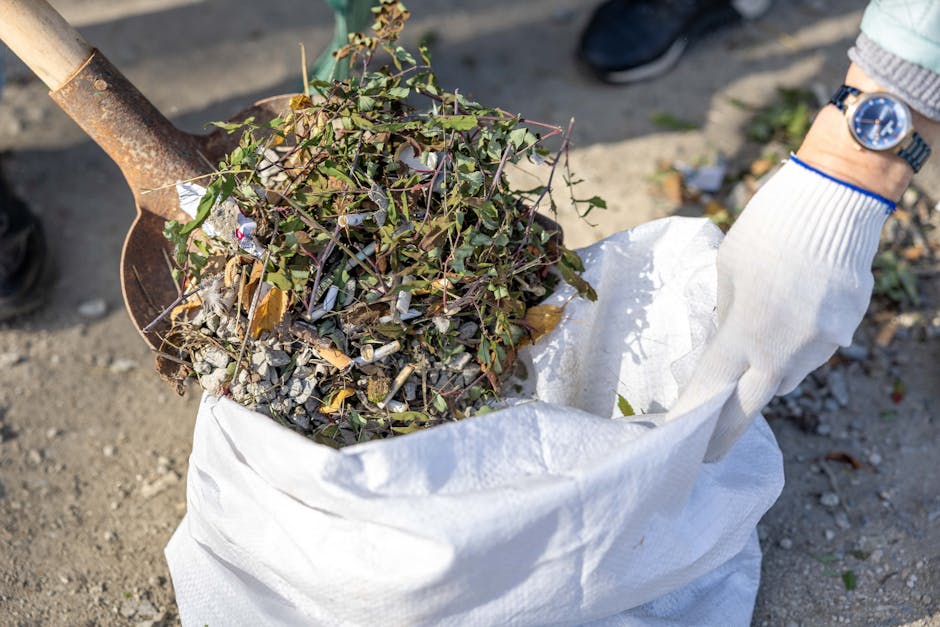
Typical green waste includes grass cuttings, leaves, hedge trimmings, small branches, plant material, weeds, and dead plants. Once you start mixing in old pots, broken fencing, rubble, bagged household waste, or treated timber, you are no longer dealing with a clean green-waste load. That matters because mixed loads often need a different handling approach.
2) Keep waste separated where possible
Separation saves time later. A load that is mostly clean hedge clippings is easier to manage than one stuffed with plastic ties, soil, bits of brick, and odd garden junk. On a busy day, it can be tempting to chuck everything in one pile and "deal with it later". That later bit, as most contractors know, is where the faff starts.
3) Load safely and sensibly
Loose waste should be loaded so it does not blow out, spill on the road, or block mirrors and lights. Wet clippings can compact and weigh far more than they look. Branches can shift. Thorny cuttings can catch on gloves and sleeves. A tidy load is safer for the driver, the public, and the client's driveway.
4) Take it to an appropriate disposal or recovery route
Contractors normally need a route that can lawfully accept green waste. In real life, that means planning ahead rather than trying to squeeze a vanful into the nearest skip or leaving it to chance. Some jobs also produce waste that may be suitable for reuse, composting, or recycling rather than direct disposal. The greener the better, generally speaking.
5) Keep proof and process in order
If you are operating professionally, a clear process protects you. It helps with customer confidence, internal checks, and any questions that arise later. You may not think much of a job sheet on a damp Tuesday morning, but those little records can save a lot of awkwardness.
For contractors offering broader outdoor work, it helps to align waste handling with the rest of the service offer. Pages like services overview and garden maintenance are useful reminders that waste control should be built into everyday operations, not patched on at the end.
Key Benefits and Practical Advantages
Following the right approach to garden waste in Plumstead is not just about avoiding trouble. It makes the whole job run better.
- Cleaner handover: The property looks finished, not half-done.
- Fewer delays: A sorted load is quicker to move and dispose of.
- Better safety: Less clutter means less trip risk and safer lifting.
- Stronger client trust: People notice professionalism in the small things.
- Lower risk of disputes: If a client questions what happened to the waste, you have a sensible answer.
- More efficient quoting: When you understand waste volume, quotes become more realistic.
There is another benefit that is easy to miss: calmer crews. Honestly, a tidy waste process reduces stress. Nobody wants to spend the last 20 minutes of a job hunting for bin bags, rearranging branches, or trying to fit one more load into a van that is already full to the roof. It is not glamorous work, but it makes a difference.
Good waste management also supports the rest of your service line. If you are doing landscape gardening or wider landscaping, the waste side is part of the overall finish. Clients tend to judge the whole package, not the individual tasks.
Who This Is For and When It Makes Sense
This topic is relevant to a lot of people, not just large commercial teams. If you are working in SE18, it is worth understanding whether you fall into one of these groups:
- Local gardeners and maintenance contractors doing routine cuts, pruning, and tidy-ups
- Garden clearance teams removing heavy mixed waste from overgrown spaces
- Landscape contractors who generate offcuts, soil, turf, and packaging
- Property managers and landlords who need gardens cleared between tenancies
- Small subcontractors working as part of larger estate or refurbishment jobs
- Homeowners comparing services and checking what should be included in the price
It makes sense to get serious about waste rules when the job involves more than a few bags of clippings. Once waste volume increases, or the site becomes awkward to access, the risks rise quickly. Narrow side access, shared driveways, front-garden loading, and timed parking windows can all make a simple waste run much less simple.
Sometimes the issue is not the amount of waste but the mix. A garden clearance after a long neglected season can produce green waste, broken planters, old furniture, soil, and general rubbish all in one go. That is where a contractor needs judgement. Easy to say, slightly messier in practice.
Step-by-Step Guidance
If you want a clean, sensible contractor process for Plumstead jobs, this is the routine to aim for.
Step 1: Survey the waste before you start
Walk the garden first. Look for overgrowth, hidden materials, compost bins, timber offcuts, and anything that will not go into a normal green waste pile. If the site is tight, check where loading can happen without blocking neighbours or damaging surfaces.
Step 2: Agree what is included
Set expectations early. A customer may think "clear the garden" means everything goes. You may mean only green waste, with separate handling for bulky or non-organic items. Get that clear before a spade touches the soil. It saves awkward conversations later, and yes, those conversations can be a bit wearying.
Step 3: Sort as you work
Use separate piles or containers where possible. One for green waste. One for reusable material. One for general rubbish, if it is part of the job and you are set up for it. The cleaner the separation, the easier everything becomes after the final cut.
Step 4: Load in a controlled way
Do not overload by guesswork. Dense wet waste weighs more than it looks, and branches can create unstable stacks. Secure loads well. If you are using a trailer, be extra careful with balance and tie-downs. The wind can play tricks, and a load that looked fine on the patio can become awkward on the road.
Step 5: Choose a disposal route that suits the waste type
Different jobs need different routes. Clean green waste may be appropriate for recycling or composting pathways, while mixed waste can need another route. Planning this in advance is much better than making a last-minute dash with a boot full of cuttings and nowhere suitable to take them.
Step 6: Leave the site properly tidy
Sweep the hard surfaces. Check corners, paths, and access points. Remove stray twigs, leaves, and soil. This final minute matters more than people think. A neat finish makes the property feel cared for, not merely worked on.
Step 7: Keep a simple record
For professional contractors, record the job scope, the approximate waste type, and where it was taken. You do not need a complicated system. In fact, please do not make it complicated. Simple is better if it is consistent.
Expert Tips for Better Results
Here are a few practical habits that make a real difference on SE18 jobs.
- Use the right bag or container for the job. Thin bags split. Wet grass is heavier than it looks. Use sturdy sacks or containers that suit the material.
- Cut waste down before moving it. Shorter branches stack better, lift safer, and take up less space.
- Separate thorny or spiky cuttings. They can damage lighter bags and make handling unpleasant. No one enjoys fishing rose clippings out of a glove, let's be honest.
- Estimate waste volume when quoting. A small front garden can still generate a surprising amount of green waste after a heavy prune.
- Plan around access. On some Plumstead streets, loading is easier early in the day. On others, it is the opposite. Timing matters more than people think.
- Keep the client informed. A quick "we're sorting the last load now" message builds trust and stops confusion.
If your job includes regular site visits rather than one-off clearances, a stable maintenance plan helps a lot. The more consistent the routine, the less waste builds up in the first place. That is especially true for properties that need tidy weekly or fortnightly care.
Common Mistakes to Avoid
Most waste problems are not dramatic. They are small slips that compound.
Mixing everything together
Once organic waste is mixed with rubbish, the disposal route may change. It can also make the load heavier, messier, and slower to handle. Separation is boring, maybe, but boring is often the smart choice.
Underestimating wet weight
Rain changes everything. A heap of cuttings that seemed light at 10am can feel like a sack of bricks by late afternoon. Build that into your lifting and loading plan.
Leaving fine debris behind
Leaves, twigs, and grass clippings collect in corners, along edging, and around paving joints. If you skip the final sweep, the garden never quite feels finished.
Failing to clarify scope
One person thinks all waste is included. The other thinks only green waste is included. That mismatch causes some of the most avoidable disputes in the trade. Be clear.
Using the wrong vehicle setup
Overflowing a van or trailer is not clever. It can create visibility issues, loading risks, and mess on the road. Better to take one proper load than two risky ones.
Ignoring mixed-material jobs
Garden work often overlaps with light landscaping or clearance. If a job includes bits of old timber, hardscape, or decorative materials, do not assume they can be treated the same as hedge cuttings. They usually cannot.
Tools, Resources and Recommendations
You do not need a huge kit to manage garden waste well, but a few basics make the work easier.
- Heavy-duty garden sacks for leaves, cuttings, and small trimmings
- Tarps or sheets to move loose waste without scattering it everywhere
- Securing straps for safer transport
- Sharp loppers and hedge tools so waste is cut to manageable sizes before loading
- Gloves and eye protection for thorny or splintered materials
- A simple job sheet to note waste type, quantity, and disposal method
It also helps to align waste handling with wider business practices. Pages like recycling and sustainability, pricing and quotes, and insurance and safety are useful touchpoints for contractors who want their operations to look professional from end to end.
And if you want to understand the wider service ethos behind a company, about us can help set expectations around how they work, while health and safety policy shows the standards behind the scenes. Small detail, but customers do notice.
Law, Compliance, Standards, or Best Practice
For contractor work, the safest approach is to treat garden waste as a managed business responsibility, not an informal "put it in the van and sort it later" task. In the UK, businesses handling waste are generally expected to follow proper duty-of-care principles, which means knowing what the waste is, keeping it contained, and passing it to an appropriate carrier or facility. The exact legal requirements can vary depending on the material and the way the business operates, so it is wise to stay conservative and organised.
For Plumstead and the wider SE18 area, the practical best practice is straightforward even if the underlying compliance details can get technical:
- know whether the waste is clean green waste or mixed waste
- avoid contaminating recyclable organic material
- transport waste safely and securely
- keep records where your business process requires them
- use a disposal route that is suitable for the waste stream
If your work involves tree work, bulky clearance, or landscaping offcuts, do not assume one route suits every material. That is where a lot of small operators come unstuck. A sensible, careful process is usually enough to keep you on the right side of good practice.
It is also worth remembering that clients tend to judge compliance by what they can see: tidy loading, clear communication, and a clean finish. That human side matters more than people admit.
Options, Methods, or Comparison Table
Not every job needs the same approach. Here is a simple comparison of common ways contractors handle garden waste.
| Method | Best for | Pros | Watch-outs |
|---|---|---|---|
| On-site separation and collection | Routine maintenance, hedge cuts, lawn jobs | Fast, tidy, easy to manage | Needs discipline and enough space |
| Bulk clearance with mixed loads | Overgrown gardens, end-of-tenancy clearances | Removes a lot in one visit | More sorting, heavier loads, more care needed |
| Reusable organic waste routing | Clean green waste from regular work | Supports recycling and reduces landfill reliance | Needs clean separation and suitable handling |
| Ad hoc disposal after each job | Small one-off jobs | Simple for occasional work | Can become inefficient if volume increases |
For many contractors, the best option is a mix. Routine jobs may benefit from a lighter, repeatable process, while larger garden clearance work needs a more formal plan. There is no magic formula. Just the right method for the size and type of job, really.
Case Study or Real-World Example
Here is a realistic example based on the kind of job many contractors face in SE18.
A small terrace garden in Plumstead has been left untouched for months. The client wants the space cleared before a family gathering at the weekend. The work starts simply enough: lawn cutting, hedge trimming, and a few stubborn patches of weeds. But once the team gets into the back corner, they find old plant pots, a rusted tray, broken canes, and a heap of heavy, damp cuttings behind a shed.
If the contractor had planned only for a few bags of green waste, the job would quickly become messy. Instead, the team separates the waste as they go, bags the lighter material, cuts the branches down for easier lifting, and keeps the non-green items aside for separate handling. The garden is cleared in stages, the patio is swept, and the client gets a neat handover rather than a half-finished pile by the gate.
What made the difference? Not fancy equipment. Just a calmer process, a realistic assessment of the waste, and a decision not to muddle everything together.
That is the pattern you see again and again. Good results usually come from good sorting, not heroic effort at the end of the day.
Practical Checklist
Use this before, during, or after a contractor garden job in Plumstead.
- Have I checked the waste type before starting?
- Have I separated green waste from non-green waste?
- Have I planned how the waste will be loaded safely?
- Do I know where the waste is going?
- Have I considered access, parking, and loading space?
- Have I told the client what is included?
- Have I left the site swept and tidy?
- Have I recorded enough detail for my own job notes?
- Are any sharp, wet, heavy, or thorny materials being handled safely?
- Does the disposal route suit the waste stream?
If you can tick most of those off without thinking too hard, you are probably in decent shape. If not, it may be time to tighten the process a bit. Nothing dramatic. Just better.
Conclusion
Plumstead garden waste rules for contractors in SE18 are really about professional habits. Keep waste sorted. Keep it secure. Keep the job site tidy. Keep the client informed. That combination is what makes a garden job feel reliable rather than rushed.
For contractors, the upside is practical: safer loading, smoother disposal, clearer quotes, and fewer unpleasant surprises. For customers, the benefit is simple too. They get a garden that feels finished, not just cut back.
If you are refining your service offer, it can help to look at the full picture, from maintenance and clearance through to sustainability and safety. Those little details add up, and in a place like SE18, people absolutely notice when a company gets them right.
Get a free quote today and see how much you can save.
And if you are still sharpening your process, that is fine. Most good systems start with a few small improvements and a bit of consistency. The rest tends to fall into place.
Frequently Asked Questions
What counts as garden waste for contractors in Plumstead?
Usually, garden waste means grass cuttings, hedge trimmings, leaves, small branches, weeds, and other plant material. Once you add rubble, household rubbish, or broken non-organic items, it becomes a mixed load and may need different handling.
Do contractors need to separate green waste from general rubbish?
Yes, where possible. Separation makes disposal easier, helps reduce contamination, and supports cleaner recycling or composting routes. It also gives a more professional finish on site.
Can all garden waste go in one van load?
Not always. It depends on what the waste is, how heavy it is, and whether it is mixed with other materials. A mixed or bulky load may need more planning than a straightforward green-waste collection.
Is garden waste disposal included in every contractor quote?
No, not automatically. Some contractors include standard green-waste removal, while others price it separately depending on volume, access, and waste type. Always confirm what the quote covers.
What is the safest way to move heavy garden waste?
Use bags, tarps, or containers that suit the material, keep loads balanced, and avoid overfilling. Wet cuttings and branches can be heavier than they first look, so a cautious approach is best.
Why does waste handling matter for garden maintenance jobs?
Because the final look of the property depends on it. A tidy garden with mess left behind still feels unfinished. Waste handling is part of the service, not an extra.
What should a contractor do with mixed garden and household waste?
Keep it separate if possible. Mixed waste can change the disposal route and may need different handling from clean green material. If the job includes both, it is best to plan for that from the start.
How do contractors avoid leaving debris behind?
They usually do a final sweep, check corners and paths, and remove loose leaves, twigs, and clippings from paving or edging. That last clean-down makes a big difference.
Do small garden jobs still need proper waste planning?
Yes, even small jobs can create more waste than expected. A hedge trim, for example, can fill several bags quickly. Planning saves time, even on smaller visits.
What is the most common mistake contractors make with garden waste?
Mixing materials too early is probably the biggest one. Once everything is thrown together, sorting becomes slower, heavier, and more awkward. A simple separation system avoids a lot of trouble.
How can clients tell if a contractor handles waste properly?
Look for clear communication, tidy loading, sensible pricing, and a neat final finish. A professional contractor usually explains what will happen to the waste rather than brushing past the question.
Does good waste management help with sustainability?
Yes. Cleanly separated garden waste is more likely to be reused, recycled, or composted appropriately. It is a small thing on each job, but over time it makes a meaningful difference.