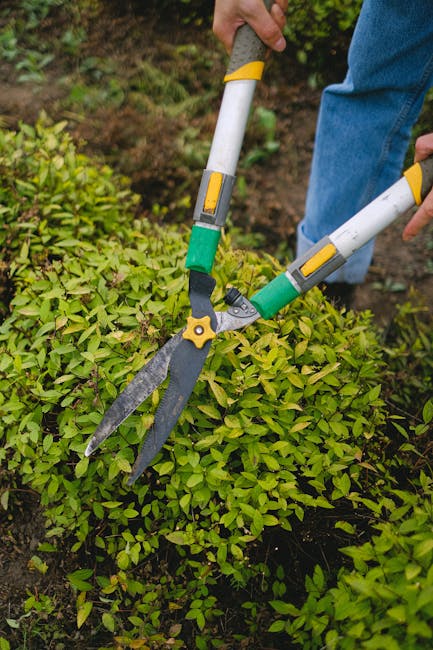
Urgent tree and hedge work gardeners for Plumstead emergencies
If a branch has come down overnight, a hedge is blocking sightlines, or storm damage is making the front of your property feel a bit unsafe, you need help quickly. Urgent tree and hedge work gardeners for Plumstead emergencies are the people you call when the garden stops being a routine job and starts becoming a risk. That might mean clearing a fallen limb, reducing a wind-battered hedge, stabilising overgrowth after bad weather, or making a space safe enough for family, tenants, customers, or neighbours.
In real life, these jobs are rarely neat and tidy. They often happen when the wind is still rattling, the ground is wet, and everyone wants the problem sorted before it gets worse. This guide explains what emergency tree and hedge work involves, how it is handled, what to expect, and how to make a good decision under pressure. You will also find a practical checklist, a comparison table, and a few common mistakes that are easy to avoid when you are in a hurry.
Table of Contents
- Why urgent tree and hedge work matters
- How emergency garden work works
- Key benefits and practical advantages
- Who this is for and when it makes sense
- Step-by-step guidance
- Expert tips for better results
- Common mistakes to avoid
- Tools, resources and recommendations
- Law, compliance, standards, or best practice
- Options, methods, or comparison table
- Case study or real-world example
- Practical checklist
- Conclusion
- Frequently asked questions
Why urgent tree and hedge work matters
When a tree or hedge becomes an emergency, the issue is no longer cosmetic. A leaning tree, shattered branch, collapsed hedge, or dense overgrowth can create hazards that affect people, vehicles, fences, roofs, driveways, and visibility at junctions. In Plumstead, where homes, side returns, boundary lines, and street parking can sit very close together, even a small failure can become awkward fast.
The obvious danger is physical damage. A heavy limb can crush fencing, scratch vehicles, or block access. But there are quieter problems too. A hedge that has grown wild after weeks of rain can hide broken timber, attract complaints from neighbours, and make a front garden feel untidy or neglected. To be fair, sometimes the main issue is stress. Once you can see the damage from the kitchen window, it is hard to relax until someone has dealt with it.
Urgent work matters because the timing is different from normal maintenance. Routine garden maintenance is planned. Emergency work is responsive. It often needs quick assessment, safe access, and a clear decision on whether trimming is enough or whether removal is the safer option. If the plant is damaged beyond recovery, a more decisive approach may be needed, and that is where tree lopping and removal becomes relevant.
Expert summary: The aim in an emergency is not perfection. It is safety, access, and control. Once the immediate danger is reduced, you can think about a longer-term tidy-up.
How emergency garden work works
Emergency tree and hedge work usually follows a fairly practical sequence. It is less about a polished garden makeover and more about getting the situation under control without creating extra problems.
- Initial call or enquiry. You explain what has happened, where the damage is, and whether anything is obstructing access or posing a direct risk.
- Risk triage. The gardener or tree specialist decides how urgent it is. A branch across a driveway is different from a branch hanging over a public footpath, and that difference matters.
- On-site assessment. The team checks what can be safely cut, lowered, tied back, or removed. They also look for hidden issues like split trunks, root movement, or unstable hedge sections.
- Containment or clearance. The immediate work may involve sectional cutting, hedge reduction, debris removal, or making the area safe for access.
- Waste handling and tidy-up. Green waste is collected, loaded, and taken away responsibly. If the job leaves a lot of material behind, a follow-up clearance may be useful.
- Follow-on advice. You should be told whether the plant needs monitoring, reshaping, replacement, or a second visit when conditions are calmer.
Good emergency work is calm, methodical, and a little unglamorous. That is exactly what you want when the weather is bad and the pressure is on. A decent team will also talk plainly about limitations. If a tree is too unstable to deal with safely in one go, they should say so. No drama, no guesswork.
For larger clear-ups, especially where windblown branches and mixed debris are involved, it can make sense to combine the visit with garden clearance. That saves time later and often means the site is left in a much more usable state.
Key benefits and practical advantages
Emergency hedge and tree work is about far more than "making it look better". There are some very practical benefits, and they are usually the reason people act quickly.
- Immediate safety improvement. Removing unstable growth reduces the chance of injury or further damage.
- Better access. Driveways, paths, gates, and side passages can be reopened quickly.
- Less pressure from neighbours or passers-by. Overgrown or broken boundaries can become a source of complaints surprisingly fast.
- Protection for nearby structures. Timely action can help protect roofs, fencing, sheds, decks, and walls.
- Cleaner long-term recovery. If a hedge or tree is cut properly, it is often easier to reshape later.
- Reduced escalation. A small break today can become a bigger failure after another gust of wind. Nobody wants that second call.
There is also a less obvious advantage: peace of mind. That matters more than people admit. Once an awkward branch has been dealt with, the garden feels manageable again. The place stops looming over you every time you open the curtains.
For ongoing upkeep after the emergency, it is worth looking at hedge trimming and regular lawn mowing so the garden does not drift back into a problem state. A bit of prevention saves a lot of frantic phone calls later on.
Who this is for and when it makes sense
This kind of urgent work is for anyone who cannot safely wait for a normal booking. That includes homeowners, landlords, letting agents, property managers, and small businesses with frontages or access routes that need to stay open. In Plumstead, that might be a terraced house with a hedge spilling over the pavement, a rental property with storm debris in the rear garden, or a business entrance where branches have dropped into the access path.
It makes sense when:
- a branch is cracked, hanging, or resting awkwardly on something else;
- a hedge is blocking sightlines, pathways, or access points;
- wind damage has left loose material likely to fall again;
- the garden is preventing safe entry, exit, or parking;
- overgrowth is causing complaints or a boundary dispute;
- you need the site made safe before further weather arrives.
Sometimes the need is not dramatic. A hedge can become urgent simply because it has grown into a narrow footpath and keeps brushing people at shoulder height. Slightly annoying for a week, then suddenly the sort of thing you wish you had handled already. That sort of job is often best dealt with quickly before it becomes a bigger nuisance.
If your outdoor space needs more than a single emergency cut, you may also benefit from a broader landscape gardening review or even longer-term landscaping changes to reduce future risk and improve access. Not every emergency is just a one-off; sometimes it is a sign the garden layout needs a rethink.
Step-by-step guidance
If you are dealing with a garden emergency right now, here is the cleanest way to approach it.
- Stay clear of the danger zone. If a branch is hanging, do not stand beneath it. If a hedge or tree is touching a power line, keep away and treat it as high risk.
- Take a quick visual note. Without putting yourself at risk, note what is blocked, what has fallen, and whether the issue is worsening.
- Gather basic details. Think about access, parking, whether the work is front or rear, and whether anything fragile is close by.
- Contact a local team that handles urgent work. Be clear that it is an emergency or same-day concern, not a routine trim. That avoids confusion from the start.
- Ask what the first visit covers. Will they only make it safe, or can they fully complete the job in one visit? That is worth asking upfront.
- Request practical timing. A straight answer is best: can the work happen now, later today, or tomorrow morning?
- Check waste removal and tidy-up. Emergency jobs create debris. You want to know whether the price includes clearance.
- Plan the follow-up. If the hedge needs reshaping or the tree needs monitoring, book that in while the issue is still fresh.
One simple rule helps here: if you would not want a child or visitor to walk underneath it, treat it seriously. That is a useful gut check when you are deciding whether to wait or act.
When a job is clearly outside safe DIY territory, the right thing is to leave it alone. Even a short branch can kick back in surprising ways, and wet ground makes everything less predictable. The ladder looks innocent until it is not. A bit obvious, yes, but worth saying.
Expert tips for better results
Experienced gardeners tend to focus on three things in an emergency: safety, sequence, and restraint. The best result is not always the biggest cut. It is the smartest one.
- Cut in stages where possible. If a hedge is badly overgrown, a phased reduction can protect the plant and give a neater finish later.
- Leave structural decisions to the assessment stage. A tree may look recoverable, but if it has split or shifted at the base, trimming alone may not be enough.
- Keep access routes in mind. Sometimes the priority is simply to reopen a gate, path, or driveway before anything else.
- Ask for the safest tidy-up method. Branches can be lowered, bundled, or cut into manageable lengths depending on the site.
- Think about the next storm. If wind caused the damage once, it may do so again. A little reduction now can prevent repeat problems.
- Do not rush the aesthetic finish. In an emergency, a perfectly sculpted hedge is less important than a stable, safe boundary.
A small but useful observation: good emergency gardeners do not over-promise. They will tell you what can be done immediately and what should wait. That honesty is worth a lot when things are messy and everyone wants certainty.
If you are comparing longer-term support options, regular garden maintenance can be a sensible follow-on, especially for properties that keep developing the same kinds of problems after heavy rain or seasonal growth bursts.
Common mistakes to avoid
When people are stressed, they often make the same handful of mistakes. None of them are unusual. They just make a bad situation a bit worse.
- Trying to do the job yourself too quickly. This is the biggest one. A rushed cut can make a branch swing, split, or drop unpredictably.
- Waiting for the weather to "settle" when the risk is already obvious. Sometimes delay is fine. Sometimes it really is not.
- Booking a standard trim for an emergency. If the issue is urgent, say so clearly. Otherwise the job may be scheduled too late.
- Ignoring hidden damage. A hedge can hide broken stems, and a tree can look stable while actually being compromised.
- Not checking what happens to the waste. Debris left on site can be slippery, awkward, and in the way.
- Only thinking about appearance. In an emergency, safety comes first. Nice shape later.
Another common mistake? Assuming all "gardeners" will handle urgent tree work in the same way. They won't. Some jobs need straightforward hedge reduction. Others need more specialist tree handling and careful sectional cutting. The distinction matters, and it matters quite a lot.
Tools, resources and recommendations
The exact tools used depend on the job, but urgent tree and hedge work usually relies on professional-grade equipment chosen for control as much as speed. The aim is to reduce risk, not just get through the list quickly.
| Job type | Typical approach | Why it helps |
|---|---|---|
| Storm-damaged hedge | Controlled reduction, selective cutting, debris removal | Restores access and stops loose material from spreading |
| Hanging branch | Sectional cutting and safe lowering where possible | Reduces the chance of sudden movement or collapse |
| Blocked path or driveway | Priority clearance and quick tidying | Reopens access fast |
| Overgrown boundary | Measured trimming and shaping | Improves visibility and reduces complaints |
For homeowners, the most useful preparation is simple: keep the area accessible, move cars if you can do so safely, and take a couple of photos for reference before any work starts. Nothing fancy. Just enough to avoid confusion if the site changes during the job.
If you need to understand the wider service range, the services overview is a sensible starting point. It can help you decide whether you only need an emergency cut or whether a wider follow-up package is the better option. And if you are weighing up cost, the pricing and quotes page is useful for understanding how requests are usually handled. No one loves discussing money in the middle of a mess, but it is better to be clear than surprised later.
Law, compliance, standards, or best practice
Emergency garden work is practical work, but it still sits within a framework of safety and responsibility. In the UK, the most sensible approach is to follow recognised good practice around risk assessment, safe use of equipment, and proper disposal of green waste. Exact duties vary depending on the property, access, ownership, and whether the work affects shared boundaries, public spaces, or protected vegetation.
From a homeowner or landlord point of view, the key is to avoid taking unnecessary risks and to use a contractor who works carefully. If a tree could affect a fence, neighbouring garden, or access route, it is wise to think beyond the immediate cut. Good practice usually means:
- checking for overhead hazards before work starts;
- keeping bystanders away from the work zone;
- using appropriate protective equipment;
- managing waste responsibly;
- being honest about whether a tree can be retained or needs removal;
- keeping records if the work relates to a complaint, tenancy issue, or property management concern.
It is also sensible to look for service providers that can speak clearly about safety. Pages such as insurance and safety, health and safety policy, and about us are useful because they help you judge whether a business is organised, transparent, and serious about doing things properly. That does not guarantee every outcome, of course, but it is a good sign when the basics are well presented.
If there is any doubt about a tree that may be unstable, overhanging, or connected to other property, caution is the right response. Better a measured approach than a hurried one that creates a bigger headache. Truth be told, gardens rarely forgive rushed decisions.
Options, methods, or comparison table
Not every urgent situation needs the same response. Sometimes the right answer is a light reduction. Sometimes it is full removal. Sometimes the safest move is to clear debris, make the space usable, and come back later for a more considered job.
| Option | Best for | Pros | Limits |
|---|---|---|---|
| Emergency hedge trimming | Blocked paths, poor visibility, boundary overflow | Fast, neat, usually lower disruption | May not solve structural hedge problems |
| Tree lopping and removal | Damaged, unstable, or dangerous trees | Strong safety response, removes source of risk | Can be more disruptive and may need follow-up planning |
| Garden clearance | Storm debris, mixed cuttings, messy sites | Restores order quickly | Does not always fix the underlying plant issue |
| Planned maintenance after the emergency | Ongoing growth control and repeat prevention | Stops problems returning so quickly | Not suitable if immediate danger remains |
In practice, many emergency jobs combine two of these. A damaged hedge might be trimmed now and monitored later. A fallen limb might be cleared as part of a wider clearance visit. A tree with obvious decay may need specialist attention rather than a cosmetic tidy. The right blend depends on what is actually in front of you, not on a neat theory.
Case study or real-world example
Here is a realistic example from the sort of situation many Plumstead residents recognise. After a windy night, a side hedge had bent hard into a narrow passage, and several branches from an adjacent shrub had snapped into the path. The homeowner could still get out through the front door, but the rear access was awkward and the broken material was catching on clothing. Not ideal, especially if you are carrying shopping or trying to get bins out before the morning rush.
The first priority was not shaping the hedge. It was clearing the passage and checking whether anything was still loose. The work focused on removing broken sections, reducing the hedge enough to reopen the route, and tidying the debris so nothing sharp or slippery was left behind. Once the immediate issue was dealt with, the homeowner could see the boundary again, which sounds small but honestly makes a big difference.
A follow-up visit was then planned for a more even trim and to stop the same stretch from encroaching again. That staged approach worked because it matched the problem: safe first, tidy second, prevention after. Simple, really. But that is often how the best emergency garden jobs go.
Practical checklist
Use this checklist if you are dealing with an urgent tree or hedge problem in Plumstead.
- Keep people, pets, and vehicles away from the affected area.
- Look for hanging branches, split stems, leaning trunks, or loose hedge sections.
- Check whether access to a gate, driveway, path, or entrance is blocked.
- Note whether the issue came after wind, heavy rain, or a recent cut.
- Take simple photos if it can be done safely.
- Decide whether this is a make-safe job, a clearance job, or a full removal issue.
- Ask if waste removal is included.
- Confirm whether follow-up trimming or maintenance will be needed.
- Keep neighbours informed if the work affects shared boundaries or access.
- Choose the safest option, not the quickest-looking one.
Quick takeaway: In an emergency, the best result is the one that gets the area safe, open, and stable without making the plant problem worse than it already is.
If you want a more rounded view of what a trusted local team can handle, explore the services overview and garden clearance options to see how emergency work fits into the bigger picture of keeping a garden manageable.
Conclusion
Urgent tree and hedge work gardeners for Plumstead emergencies are there to take a stressful, sometimes messy situation and make it safe again. That may mean reducing risk after storm damage, opening a blocked path, clearing broken branches, or dealing with a hedge that has become too much, too fast. The key is not to wait until the problem becomes harder, more expensive, or more dangerous than it needs to be.
The smartest approach is calm and practical: assess the risk, choose the right kind of help, and think beyond the immediate cut. If the work is done properly, you get your access back, the garden feels under control again, and you can move on without that nagging worry every time the wind picks up. That feeling matters, more than people often admit.
Get a free quote today and see how much you can save.
Frequently Asked Questions
What counts as a tree or hedge emergency in Plumstead?
Anything that creates an immediate safety risk, blocks access, or could get worse quickly counts as an emergency. Common examples include hanging branches, storm-damaged hedges, blocked driveways, and unstable growth near paths or boundaries.
Can a gardener handle urgent tree work, or do I need a tree specialist?
It depends on the job. Many urgent hedge issues can be handled by a skilled gardener, but unstable trees, major limb failures, or anything involving serious structural damage may need more specialist tree lopping and removal support.
How quickly can emergency garden work usually happen?
That depends on workload, weather, and the complexity of the job. Some issues can be attended the same day, while others may need a planned urgent visit. Clear photos and a direct description usually help speed things up.
Should I try to cut a hanging branch myself?
Usually no. Hanging or cracked branches can move in unexpected ways. If there is any doubt, keep clear and wait for safe professional handling. It is one of those jobs where caution is genuinely the sensible route.
Will emergency hedge work damage the hedge permanently?
Not necessarily. A good emergency trim aims to remove the immediate risk while keeping the plant viable. If the hedge has been badly damaged or neglected, though, it may need staged recovery work later.
What should I tell the gardener when I call?
Explain what happened, where the issue is, whether access is blocked, and if anything looks dangerous or unstable. Mention whether the work is front or rear, and whether there are parked cars, sheds, fences, or power lines nearby.
Do emergency jobs include waste removal?
Often they do, but not always in the same way. It is sensible to ask upfront whether green waste and debris will be taken away as part of the service or handled as a separate clearance step.
Is emergency work more expensive than routine trimming?
It can be, because urgent response, difficult access, and extra safety considerations often add complexity. The exact cost depends on the size of the job, the time needed, and whether disposal or follow-up work is included.
What if the hedge is overhanging a neighbour's property?
That can make the situation more sensitive. It is usually best to act carefully, keep communication polite, and avoid cutting anything without understanding the boundary issue. If the situation is unclear, ask for advice before work starts.
Can storm damage be made safe without removing the whole tree?
Sometimes yes. A tree may be stabilised or reduced if only part of it is affected. But if the trunk, root plate, or main structure is compromised, removal may be the safer option. A proper assessment is the deciding factor.
What is the difference between garden clearance and emergency tree work?
Garden clearance is broader and usually deals with debris, cuttings, and general mess. Emergency tree work focuses on unstable, dangerous, or obstructive tree and hedge problems. The two often overlap, but the priority is different.
How can I stop this happening again?
Regular maintenance helps a lot. Keep hedges trimmed before they become too heavy, monitor trees after high winds, and deal with small structural problems early. A bit of routine care really does save a lot of stress later on.